Burst Pipes: Prevention, Warning Signs, Immediate Steps, and Professional Water Damage Response
- Revive Restoration
- Jul 29
- 5 min read
Last Updated: July 2026
A burst plumbing pipe is one of the fastest ways a home can suffer extensive damage. Depending on the size of the break and your home’s water pressure, hundreds of gallons of water can escape in just a few hours, soaking drywall, insulation, flooring, cabinetry, and structural framing. If moisture isn’t removed quickly and thoroughly, mold growth can begin within 24–48 hours under favorable conditions.
This guide explains:
What causes plumbing pipes to burst
How to prevent burst pipes
Early warning signs to watch for
What to do immediately after discovering a burst pipe
What to do while waiting for a restoration company
Common questions homeowners ask
When to call a professional
Whether you’re preparing for winter or dealing with an active emergency, knowing these steps can significantly reduce property damage.
Before

A burst pipe occurs when a plumbing line cracks, splits, or completely ruptures, allowing water to escape into the structure. While frozen pipes are a common cause, burst pipes can occur year-round due to corrosion, excessive pressure, physical damage, or aging plumbing systems.
The damage often extends far beyond the visible water because moisture migrates into:
Drywall
Insulation
Subfloors
Hardwood flooring
Cabinets
Structural framing
Crawl spaces
Wall cavities
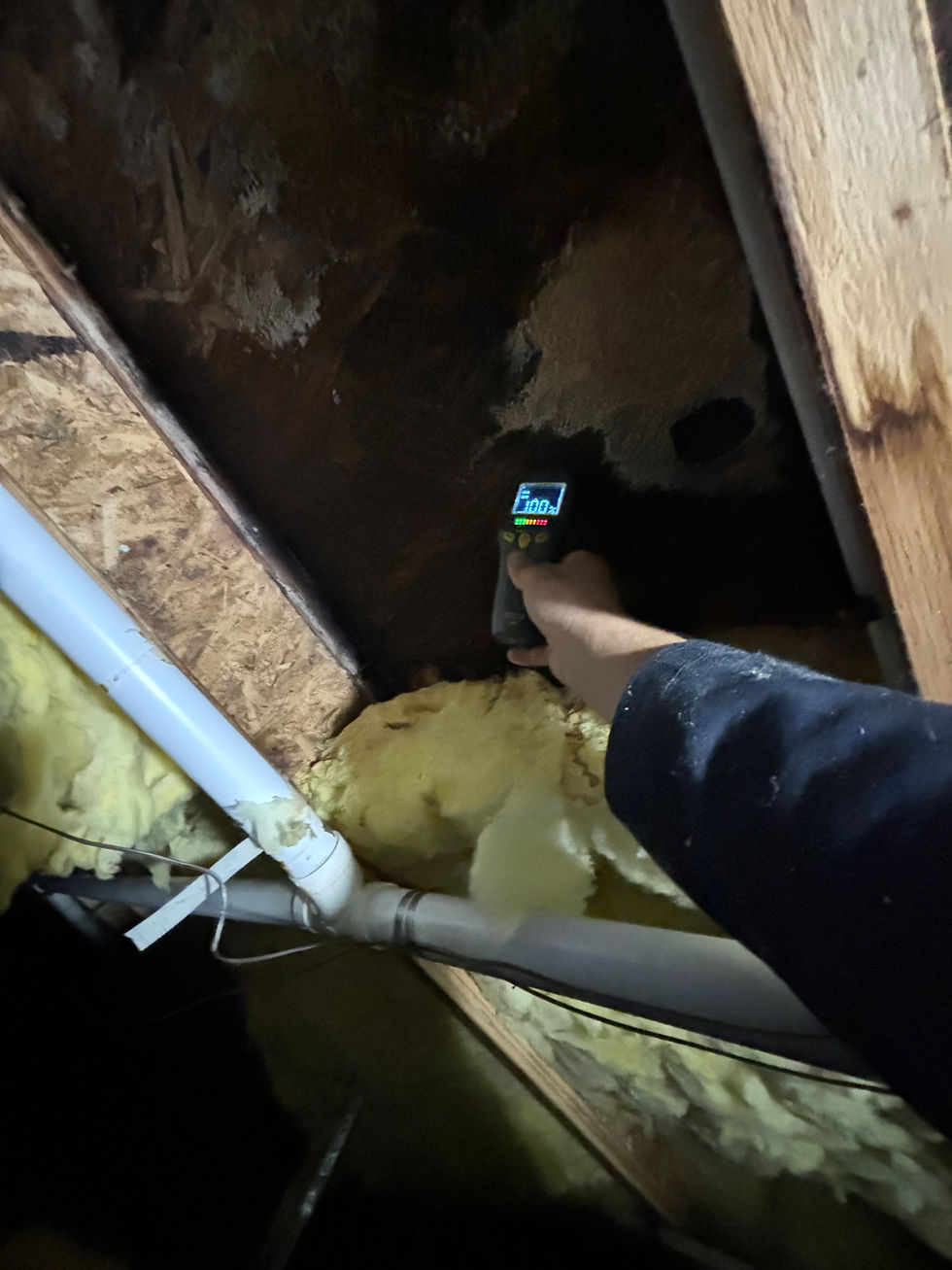
Professional moisture mapping is often necessary to locate hidden moisture that cannot be seen with the naked eye.
After

What Causes Plumbing Pipes to Burst?
Several conditions can lead to pipe failure.
Freezing Temperatures
When water freezes, it expands. Ice can create enough pressure inside a pipe to split copper, PEX, CPVC, galvanized steel, or PVC plumbing. Often, the pipe doesn’t begin leaking until temperatures rise and the ice melts.
Common locations include:
Crawl spaces
Exterior walls
Garages
Attics
Unheated basements
Outdoor hose bibs
Corrosion
Older metal plumbing can corrode from the inside over many years, gradually weakening pipe walls until they eventually fail.
Excessive Water Pressure
Residential plumbing systems generally operate most efficiently around 40–60 PSI. Sustained pressure above recommended levels places additional stress on fittings, valves, and pipe joints, increasing the likelihood of leaks or failures.
Aging Plumbing
Every plumbing system has a service life. As materials age, joints loosen, seals deteriorate, and pipe walls weaken.
Poor Installation
Improperly supported pipes, incorrect fittings, or poorly executed repairs may eventually fail under normal operating conditions.
Physical Damage
Construction work, foundation movement, accidental impacts, or shifting framing members can damage plumbing lines.

How to Prevent Burst Pipes
Preventative maintenance is significantly less expensive than repairing water damage.
Keep Your Home Heated
Maintain indoor temperatures above 55°F during winter, even if you’re away.
Insulate Vulnerable Plumbing
Pipes located in:
Crawl spaces
Garages
Exterior walls
Attics
should be properly insulated before freezing weather arrives.
Disconnect Garden Hoses
Leaving hoses connected during freezing weather can trap water inside exterior plumbing, increasing the risk of freezing.
Locate Your Main Water Shutoff Valve
Every homeowner should know:
Where the shutoff valve is located
How to operate it
Who in the household knows how to shut the water off
Finding it during an emergency wastes valuable time.
Allow Faucets to Drip During Extreme Cold
When temperatures become dangerously cold, allowing a small stream of water to flow through vulnerable plumbing can reduce the likelihood of freezing.
Seal Air Leaks
Cold outside air entering crawl spaces, attics, garages, or wall cavities can dramatically increase freezing risk.
Have Someone Check Your Home
If you’ll be traveling during winter, have a trusted neighbor or family member periodically inspect your home.
Warning Signs of a Burst Pipe
Not every burst pipe creates an obvious flood immediately.
Watch for:
Water Stains
Brown, yellow, or expanding stains on ceilings or walls often indicate hidden leaks.
Sudden Drop in Water Pressure
A noticeable decrease throughout the home may indicate significant water loss.
Higher Water Bills
Unexpected increases in monthly water usage sometimes point to hidden plumbing leaks.
Damp Flooring
Soft flooring, wet carpet, cupping hardwood, or unexplained moisture should never be ignored.
Musty Odors
Persistent damp smells often develop before visible mold growth appears.
Sounds of Running Water
If you hear water flowing while no fixtures are operating, investigate immediately.
What Should You Do If a Pipe Bursts?
The first several minutes are often the most important.
Step 1: Shut Off the Main Water Supply
Stopping the flow of water immediately can dramatically reduce damage.
Step 2: Turn Off Electricity If Necessary
If water is approaching electrical outlets, appliances, or wiring, shut off power to affected areas only if it is safe to do so.
Never enter standing water that may be energized.
Step 3: Protect Valuable Items
Move:
Electronics
Furniture
Family photos
Important documents
Personal belongings
away from the affected area whenever it can be done safely.
Step 4: Document the Damage
Take photos and videos before significant cleanup begins.
Insurance companies often request documentation of:
Damaged rooms
Flooring
Walls
Contents
Water source
Step 5: Contact Your Insurance Company
Notify your insurance carrier as soon as practical and begin the claim process.
Professional water damage restoration includes much more than removing visible water.
A proper drying process typically involves:
Moisture inspection
Moisture mapping
Water extraction
Strategic demolition when necessary
Structural drying
Dehumidification
Air movement
Daily moisture monitoring
Final verification of drying goals
What Should You Do While Waiting for Help?
If conditions are safe:
Remove standing water using towels or a wet vacuum.
Run fans if electrical hazards are not present.
Increase airflow by opening interior doors.
Keep children and pets away from affected areas.
Continue documenting conditions if water spreads.
Avoid:
Pulling up flooring unnecessarily.
Removing drywall without understanding moisture migration.
Using household fans around contaminated water.
Delaying professional drying.
Hidden moisture often extends much farther than visible water.

Many homeowners assume that once surfaces appear dry, the structure is dry.
Unfortunately, moisture frequently remains inside:
Wall cavities
Insulation
Subfloors
Framing
Cabinet toe kicks
Behind baseboards
Professional restoration companies use moisture meters, thermal imaging, hygrometers, and psychrometric calculations to determine drying conditions and verify that structural materials have returned to appropriate moisture levels.
Without proper drying, moisture can contribute to:
Mold growth
Material deterioration
Odors
Flooring failures
Swelling and warping
Secondary damage
Frequently Asked Questions
How quickly should I respond to a burst pipe?
Immediately. Every minute water continues flowing increases the amount of damage.
Can a pipe burst without freezing?
Yes. Corrosion, age, excessive water pressure, poor installation, and accidental damage are all common causes.
Will homeowners insurance cover a burst pipe?
Coverage depends on your individual policy and the cause of the loss. Many homeowners policies cover sudden and accidental pipe failures but generally do not cover damage resulting from long-term neglect or deferred maintenance. Contact your insurance carrier for details about your specific coverage.
How long does structural drying usually take?
Many clean water losses require approximately 3–5 days of professional drying, though larger or more complex losses may take longer depending on materials, environmental conditions, and the extent of water intrusion.
Can mold start growing after a burst pipe?
Yes. Under favorable conditions, mold growth can begin within approximately 24–48 hours if materials remain wet.
Key Takeaways
If you remember only a few things, remember these:
Know where your main water shutoff valve is before an emergency.
Shut off the water immediately if a pipe bursts.
Document the damage.
Contact your insurance company promptly.
Begin professional drying as quickly as possible.
Hidden moisture is often more significant than visible water.
Fast action can significantly reduce repair costs, shorten drying times, and help preserve more of your home.
Revive Restoration: Your Home’s First Responder
When water damage strikes, our goal is simple: respond quickly, identify the full extent of the damage, and dry your home properly using industry-standard restoration practices.
From emergency water extraction and moisture mapping to structural drying and daily monitoring, we’re committed to helping homeowners throughout the Treasure Valley navigate water damage with confidence.
If you suspect a burst pipe or discover water damage in your home, don’t wait. Early intervention can make all the difference.


Comments